Inside the Server: How Band Discords Became the New Music Scene
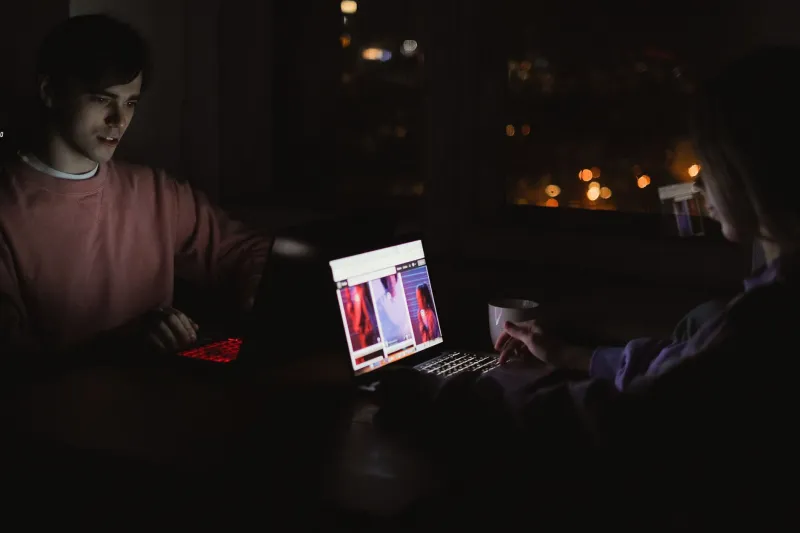
There's a channel in a mid-sized indie folk band's Discord server called #life-stuff. It has nothing to do with the band. People post about breakups, job losses, random wins from their week. The band has maybe 40,000 monthly Spotify listeners — not exactly stadium-filling numbers — but their Discord has become, for a few hundred people, genuinely indispensable.
That's not an anomaly anymore. It's a pattern.
In 2024, some of the most vibrant fan communities aren't forming at shows or on main-stage social media. They're forming in the margins — private subreddits, artist-specific Discord servers, and Telegram groups that most casual listeners don't even know exist. And what's happening inside those spaces is reshaping what it means to be a music fan.
More Than a Comment Section
For a long time, online fan spaces were basically just louder versions of comment sections. You'd post a reaction, someone would agree or argue, and that was about it. The interaction was shallow by design — platforms like Twitter and Facebook were built for broadcast, not for belonging.
Discord changed the architecture. Channels are organized by topic. Conversations persist. You can hop into a voice chat and just... hang out with people who love the same artist you do. It's closer to a living room than a comment section, and that shift in format has had real consequences for how deep fan relationships go.
"I've been in the server for almost two years," says Mara, a 26-year-old from Columbus who moderates a Discord for a folk-pop duo with a devoted cult following. "I know people's birthdays. I know when someone's going through a hard time. It stopped being about the band pretty quickly — the band is just the reason we found each other."
That phrase keeps coming up in conversations with people who've embedded themselves in these communities: the band is just the reason we found each other. The music is the door. The community is the room.
The Micro-Community Effect
What makes artist-specific spaces different from general music forums is the specificity itself. When everyone in the room already shares one very particular taste, you skip a lot of the social friction that usually slows down connection.
You don't have to defend why you like this artist. You don't have to explain the appeal. Everyone already gets it. That shared baseline creates a kind of shorthand that accelerates trust.
Psychologists call this the mere exposure effect on steroids — shared experience of something niche creates stronger in-group bonds than shared experience of something mainstream. Loving Taylor Swift is common enough that it doesn't feel like a signal about who you are. Loving a specific deep cut from a regional emo band's 2011 EP? That says something. And when you find someone else who loves the same thing, the connection feels disproportionately meaningful.
This is the engine running under most of these communities. It's not just fandom. It's identity recognition.
What Mods Are Actually Building
The people doing the most invisible labor in these spaces are the moderators — unpaid volunteers who spend real hours keeping communities functional, welcoming, and drama-free.
Derek, who mods a K-pop fan server with over 8,000 members, describes his role as "part community manager, part therapist, part bouncer." The server has dedicated channels for fan translations, concert meetup coordination, mental health check-ins, and a heavily moderated space for newer fans who are still learning the fandom's unwritten rules.
"K-pop fandoms have a reputation for being intense, and some of that is earned," he admits. "But what people don't see is how much genuine care exists in these spaces. People fly across the country to meet up with server friends. We've had people in crisis reach out in the server and get real support."
That kind of depth doesn't happen by accident. It requires intentional community design — rules that protect vulnerability, channels that encourage off-topic human connection, and consistent moderation that enforces a tone of respect without killing the fun.
The best-run servers feel less like fan clubs and more like neighborhoods.
The Artist's Role (And When It Gets Complicated)
Some artists actively participate in their own fan servers. Others create them and then go mostly silent. A few have no official server at all, leaving fans to build their own.
Each approach creates a different community dynamic. When artists show up — even occasionally — it creates a kind of electricity that can spike engagement and deepen loyalty. But it also introduces complications. Fans start performing for the artist instead of connecting with each other. The community dynamic shifts from peer-to-peer to fan-to-idol.
Mara has seen this play out. "When one of the artists popped into the server randomly last spring, it was amazing for about a week. Then people started posting differently — like they were always hoping to be seen. It took a while to get back to normal."
The healthiest communities seem to be the ones that have developed their own identity independent of the artist — where the music is the founding myth, but the people are the actual story.
What CommonTunes Sees in This
This is kind of exactly what we're about here. The whole premise of CommonTunes is that music is a finding mechanism — it's how you locate your people. What these Discord servers and private forums are proving is that this isn't just a nice idea. It's something fans are actively building infrastructure around.
They're not waiting for a platform to do it for them. They're making their own rooms, writing their own rules, and showing up for each other in ways that go way beyond shared taste.
The stranger in your favorite band's Discord? There's a decent chance they're going to end up being someone you actually know. Someone you text when something big happens. Someone you meet at a show someday and hug like you've known each other for years.
Because in a way, you have.
Finding Your Server
If you haven't explored the fan community side of an artist you love, it's worth the dive. Most active Discord servers can be found through an artist's official social media, Reddit communities (search r/[artistname]), or fan wikis. Lurk for a bit before jumping in — every community has its own culture — and look for spaces that have clear rules and active moderation.
The music brought you there. The people will make you stay.