Broken and Beautiful: Why Your Favorite Artist's Weirdest Habits Are the Whole Point
There's a moment every serious music fan knows. You're playing an artist for a friend — someone you trust, someone with decent taste — and right as the thing you love most comes on, they wince. Maybe it's the way a vocalist's voice goes slightly ragged on the high notes. Maybe it's the fact that every single song on the album sounds like it was recorded inside a shoebox. Maybe it's that the song just... doesn't end the way songs are supposed to end.
Your friend is politely confused. You are inexplicably defensive.
Because somehow, without fully realizing it, that exact thing — the thing they're wincing at — is the whole reason you're here.
The Flaw That Became the Feature
Let's talk about what we actually mean when we say "imperfections." We're not talking about bad art. We're talking about the sonic decisions — intentional or not — that fall outside the polished center lane of mainstream production. The slight pitch drift in Elliott Smith's falsetto. The way Phoebe Bridgers lets her voice go almost uncomfortably thin in quiet moments. The blown-out low end in early Lil Wayne mixtapes that sounds like your speakers are about to give up. The fact that Bob Dylan has been technically "off-key" for six decades and nobody who loves him cares even a little.
These aren't flaws in the sense of failures. They're signatures. And the moment you start hearing them as signatures rather than mistakes is usually the moment a casual listen becomes something much closer to devotion.
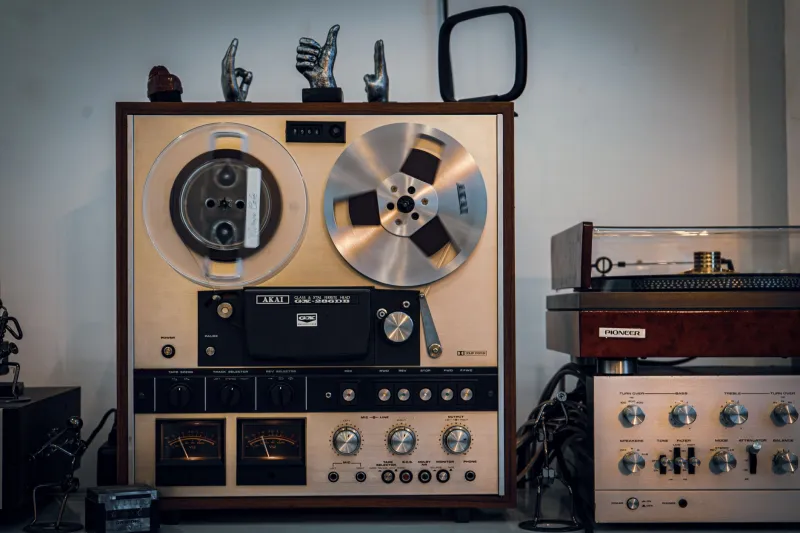
There's actually a psychological concept behind this — the idea that small imperfections in handcrafted or human-made things make them feel more real and trustworthy. When something is too polished, too smooth, too perfectly rendered, our brains register it as manufactured, as something built to fool us. A tiny crack in the glaze is proof that a human hand was involved. Music works the same way.
Your Ears Are Smarter Than You Think
Here's what's interesting: most fans can't articulate what they're responding to when they fall for an artist's quirks. They just know the music feels more. More honest. More like a specific person made it rather than a committee approved it.
That recognition is actually a form of deep listening. When you've spent enough time with an artist, you start to internalize their sonic vocabulary — the specific way they approach a bridge, the tempo they always seem to drift toward, the production choice they return to even when it doesn't quite make sense. You're building a mental fingerprint of that artist, and the most distinctive elements of that fingerprint are almost always the weird ones.
This is why longtime fans often react so strongly when an artist "cleans up" their sound for a major label debut or chases a trend that doesn't suit them. It's not just nostalgia. It's the loss of the specific thing that made the artist identifiable — the sonic signature that told you this person, no one else.
How Quirks Become a Compass
Here's where it gets genuinely useful for building your music life: once you've identified what you love about an artist's specific weirdness, you have a compass.
Maybe you're obsessed with the way certain lo-fi bedroom pop artists let room noise bleed into their recordings — you can hear the hum of a refrigerator, the creak of a chair. That specific quality is a thread you can follow. Pull it and you'll find a whole web of artists working in that tradition, from early Guided by Voices recordings to the cassette-worship of current artists putting out music on Bandcamp right now.
Or maybe what you love is a vocalist who treats pitch as a suggestion — someone who bends into notes from below, lets them sag a little, treats tuning as an emotional choice rather than a technical requirement. Follow that thread and you'll move across genres: country, soul, indie folk, certain corners of R&B. The quirk becomes a genre-crossing connector.
This is one of the best arguments for actually talking about music with other people rather than just trading playlist links. When you can say the thing I love about this artist is X, you open a door. Someone in your music community will immediately say oh, have you heard— and suddenly your world gets bigger.
The Shared Language of Specificity
There's a reason music communities form most tightly around artists who have a strong, strange, unmistakable sound. Fans of those artists share something more than a favorite album — they share a specific aesthetic sensibility. They've all had the same experience of hearing something that most people find off-putting and thinking no, wait, that's exactly right.
That shared recognition is social. It's tribal in the best sense. When you meet someone who loves the same artist for the same specific reasons — not just "they're great" but "the way they do that thing is everything" — you've found a genuine kindred spirit. You're speaking a language that most people don't know exists.
CommonTunes exists in that space. Not just "here are songs you might like" but here are people who hear what you hear. The specificity of what you love is the most useful thing about you as a music fan. It's not a niche interest to be apologized for — it's the most accurate map of who you are and who you'll connect with.
Learning to Name the Thing
If you've never tried to articulate exactly what you love about your favorite artist's weirdest habits, it's worth doing. Not for anyone else — just for yourself. Try to describe it in non-musical terms if you have to. Is it the sense that the music is being held together with tape and goodwill? Is it a voice that sounds like it's been through something? Is it the feeling that the song could collapse at any moment but somehow doesn't?
Once you can name it, you can find it. You can share it. You can recognize it in something new and feel that specific electric click of yes, this person gets it too.
The cracks aren't where the quality leaks out. They're where the light gets in — and more importantly, they're where other people find their way to you.