They Kept Playing Everything Else — Just Not the One That Got You
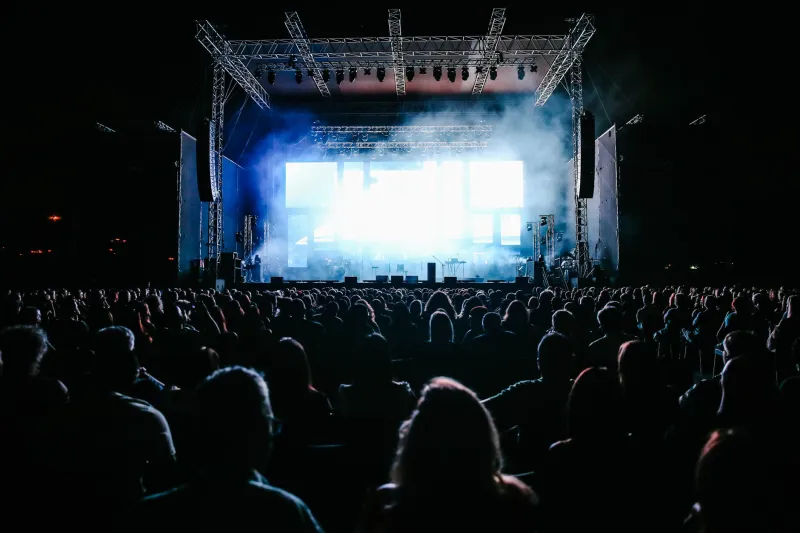
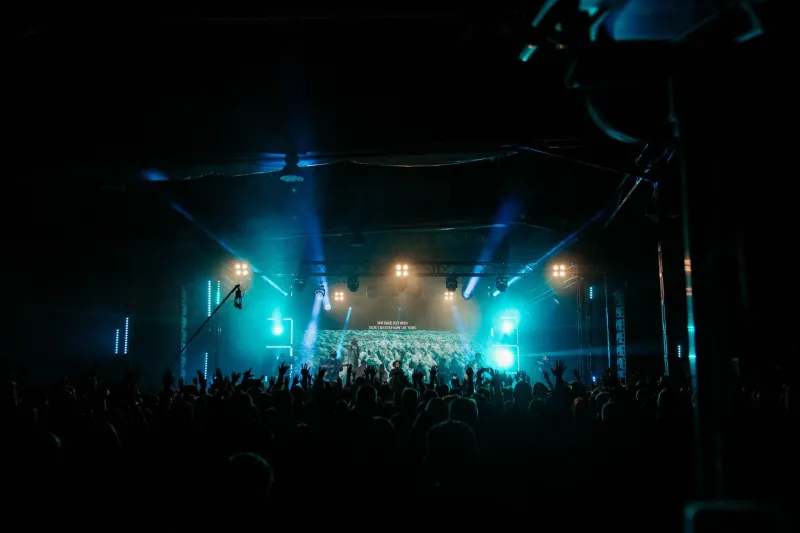
You drove four hours. You stood in a crowd of eight thousand people. You screamed every word to every song they played, and you meant it. But somewhere around the third encore, you finally had to admit it wasn't coming. The song — your song, the one that rewired your brain the first time you heard it — wasn't on the setlist. Again.
This isn't a story about bands that go on hiatus or songs that get quietly retired for logistical reasons. This is about something more specific and honestly more painful: the permanent, silent erasure of a track that the band still clearly could play, surrounded by a setlist full of proof that they haven't forgotten how to perform their own catalog. They just chose not to play that one.
And somehow, that choice feels personal.
The Song That Converts You Is Different
Not every song hits the same way. Most of us can point to a handful of tracks that didn't just make us fans of an artist — they made us that person. The one who won't shut up about the band at parties. The one who buys the vinyl even though they don't own a turntable. The one who has already mapped out a road trip around the tour dates.
When CommonTunes polled its community earlier this year about live show experiences, one question stood out in the responses: "Has a band ever stopped playing the song that made you fall in love with them?" Over 60% of respondents said yes. Of those, nearly half described feeling something they struggled to name — not quite anger, not quite sadness, but a quiet sense of being left behind.
That's not a small thing. The converting song is the handshake. It's the moment the artist reached through the speakers and said, hey, this one's for you. When that song disappears from the live show, it can feel like the handshake got taken back.
Why Bands Drop Songs (And Why the Reasons Don't Always Help)
Artists retire songs for all kinds of reasons, and most of them are completely legitimate. Sometimes a song is tied to a painful period in the songwriter's life and performing it night after night reopens something they've worked hard to close. Sometimes a track just doesn't fit the current sonic direction of the live show. Sometimes the logistics are genuinely complicated — a guest vocalist who's no longer around, a sample clearance that makes performance legally murky, an instrument or arrangement that doesn't translate well to the current touring band setup.
Bands also evolve. An artist who wrote a breakout indie track at 22 might feel genuinely disconnected from it at 35. That's not betrayal — that's just being human.
But here's the thing: knowing the reason doesn't always dissolve the feeling. When a band plays a deep album cut from their third record but skips the song that got you through your sophomore year of college, the logic of "artistic growth" can feel pretty hollow from Row 14.
And when fans don't get any explanation at all — when the song just quietly disappears from setlists without acknowledgment — the silence fills up with speculation. Did they hate the song? Did something happen? Do they even remember what that track meant to people?
The Difference Between Temporary and Gone
Fan communities are remarkably good at tracking setlist data. Sites like Setlist.fm have turned this into something close to a science, and the CommonTunes community is full of people who can tell you exactly when a particular song was last performed and in which city.
What those communities have also gotten good at is the painful art of distinguishing between "hasn't played it in a while" and "this one's done."
Temporary absences generate hope. Permanent removals generate something else — a kind of unspoken grief that's hard to bring up without feeling like you're overreacting. After all, they're still touring. They're still making music. You're still going to shows. What exactly are you allowed to be upset about?
A lot, actually. The community around a band is built on shared touchstones, and setlists are one of the most powerful ones. When a song gets cut, it doesn't just disappear from the show — it disappears from the shared experience. You can't turn to a stranger in the crowd and lose your mind together over something that isn't happening. That collective moment, the one you've been chasing every tour, stops being available.
The Resentment Nobody Talks About
Here's the part that gets uncomfortable: some fans end up quietly resenting the band for it. Not in a dramatic way. More like a low-grade static that hums underneath every subsequent concert experience.
You're still there. You still love them. But there's a part of you that keeps a little score. They played a B-side from an EP most people have never heard of, but not that song. They added a cover to the setlist, but not that song. They played the one that got the biggest reaction at the last show, but not that song.
This resentment tends to be unspoken because it sounds petty when you say it out loud. "I'm mad at my favorite band for not playing a specific song" is not a sentence that generates a lot of sympathy. But in the right spaces — in Discord servers, in Reddit threads, in the comment sections of fan sites — it surfaces constantly. People who feel it recognize each other immediately.
What they're really expressing isn't entitlement. It's a sense of disconnection from an artist they thought they had a relationship with. And while that relationship was always one-directional in a practical sense, it never felt that way. The song made it feel mutual.
Finding Your People in the Absence
Here's what's interesting though: the fans who share this specific kind of loss tend to find each other fast. There's something about the hyper-specific grief of "they stopped playing the song that made me a fan" that cuts through the noise and connects people who might not have anything else in common.
On CommonTunes, threads about dropped fan-favorite songs consistently become some of the most active discussions on the platform. Not because people are looking to be angry together, but because they're looking to be understood together. They want to tell the story of the first time they heard it. They want someone to agree that yes, it was that good, and yes, it deserved to stay.
That's the thing about music communities — they're not just for celebrating what's current. They're for holding onto what mattered, even when the artist has moved on.
So if you've been carrying this one quietly, consider this your permission to put it down somewhere where people will actually get it. The song that made you a fan deserves to be talked about. Even if — maybe especially if — it's not getting played anymore.
Drop it in the comments. Tell us which song it was. You might be surprised how many people have been waiting to say the same thing.