Sold Out or Selling On? The Real Question When Your Favorite Song Ends Up in a Car Commercial

The Moment Everything Changes (and Nothing Actually Does)
You're watching TV, half-paying attention, when a familiar guitar riff drifts out of the speakers. Your head snaps up. That's — wait. That's your song. The one you found three years ago on a random playlist deep dive at 1 a.m. The one you've played at funerals and road trips and quiet Sunday mornings. The one you've recommended to exactly four people you trusted enough to share it with.
And it's soundtracking a truck driving through the desert.
Or maybe you're scrolling TikTok and suddenly the sound attached to 800,000 videos is a song you thought only a few thousand people had ever even heard. And now it's everywhere, and everyone is doing a dance to it, and the comments are full of people discovering it like it's brand new — which, to them, it is.
That feeling in your chest? It's complicated. And it's worth actually unpacking.
The Gatekeeping Reflex and Why It's Hard to Shake
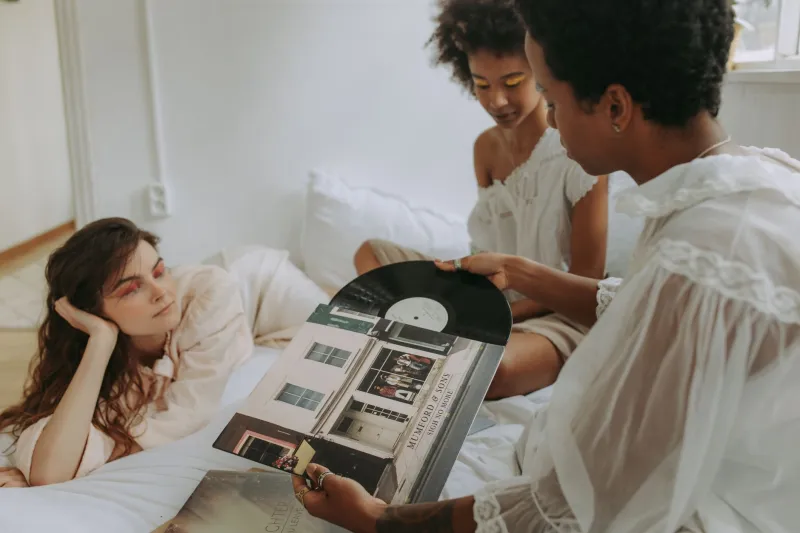
Let's be honest about what's happening first. Part of the discomfort when a beloved deep cut goes mainstream is about ownership — a sense that something private has been made public without your permission. Music fans form intense relationships with songs, especially the ones they find through genuine searching rather than algorithmic delivery. Those discoveries feel earned. They feel personal. And when the whole world suddenly has access to the thing you worked to find, it can feel like a loss, even if nothing has technically been taken.
This is the gatekeeping impulse, and it runs deep in music culture. It's the reason "I liked them before they were popular" became both a genuine expression of pride and a punchline about hipster snobbery. Both things are true simultaneously: the feeling is real and valid, and it can also tip into something less generous if we're not careful.
Because here's the uncomfortable question underneath the discomfort: are we actually upset for the song, or are we upset because we liked being one of the few people who knew it?
What Licensing and Virality Actually Mean for Artists
Before we get too deep into the fan experience, it's worth spending a moment on the artist's side of this equation — because it's genuinely complicated over there too.
For most musicians, especially independent ones, licensing a song to a commercial or a TV show isn't selling out. It's paying rent. Streaming royalties are notoriously terrible for anyone who isn't already massive, and a single sync licensing deal can generate more income than years of streams. For a lot of artists, that one placement is what allows them to keep making music at all.
The same is true, in a different way, for going viral. An artist whose song blows up on TikTok can go from playing 200-cap venues to selling out 2,000-seat theaters in a matter of months. That's life-changing. That's a career. And most of them have been grinding for years in relative obscurity hoping for exactly this kind of break.
So when fans respond to mainstream success with accusations of selling out, they're often directing that frustration at artists who didn't actually do anything wrong — who made a reasonable, often necessary, financial and career decision. The resentment, when it exists, is real. But the target is frequently off.
Does Mainstream Success Change What a Song Means?
This is the philosophical heart of it, and it's where things get genuinely interesting.
There's a reasonable argument that a song's meaning is fixed — it's in the lyrics, the melody, the production choices, the emotional intent of the person who made it. Millions of people hearing it doesn't alter any of that. The song is the song. It means what it means. Your relationship with it is your relationship with it, and no one else's experience of it diminishes yours.
But there's also a reasonable counter-argument that context is part of meaning, and context changes when a song goes viral. The song that felt like a secret between you and the artist now has a new association — maybe it's the one from that truck commercial, or the one that soundtracked a TikTok trend that had nothing to do with the lyrics. Those new associations layer over the old ones, and sometimes they're hard to scrub off.
Both of these things are true, and they pull in opposite directions. The tension between them is where most of the interesting fan conversations happen — and where the best discussions on platforms like CommonTunes tend to get really lively.
Can Artists Come Back From the "Sellout" Moment?
History suggests the answer is usually yes — and often with their credibility not just intact but enhanced.
Artists who navigate mainstream success thoughtfully tend to come out the other side with a bigger, more diverse audience and the creative freedom that comes with financial stability. They can make weirder, more personal work precisely because they're no longer scraping to survive. The fans who stuck around through the mainstream moment often end up with access to more music, better tours, and a larger community of fellow listeners.
The artists who struggle after a "sellout" moment are usually the ones who tried to chase the mainstream rather than just intersecting with it once. There's a difference between a song finding a wider audience and an artist abandoning their vision to manufacture another viral hit. Fans are generally pretty good at sensing that distinction, even if they're not always articulate about it in the moment.
Sharing What You Love Isn't Losing It
Maybe the most useful reframe is this: when a song you love reaches more people, it doesn't leave you. It just gets bigger than you.
The version of that song that lives in your memory — the 1 a.m. discovery, the drive where you played it four times in a row, the friend you sent it to with the message "trust me on this" — that version belongs entirely to you. No commercial, no TikTok trend, no mainstream moment can touch it.
And somewhere out there, someone is hearing that song for the first time because it showed up in a truck ad or on their For You page, and it's landing for them the way it landed for you. That's not a threat. That's actually the whole point of music — it finds the people who need it, by whatever path it has to take.
Your taste made room for this song first. That still counts. It always will.