First Note to Last: Why the Space Between Songs Is Where the Magic Actually Lives
There's a moment at almost every concert where the crowd collectively loses it — not necessarily when the biggest hit drops, but when the song before it ends just right. That half-second of silence. The way the energy either builds or releases. And then boom — the next track hits and the room goes absolutely sideways.
That's not an accident. That's sequencing. And if you've ever been deep in a music community — whether it's a Discord server full of obsessive playlist builders, a concert forum arguing over a band's setlist choices, or just a group chat where everyone's swapping summer mixes — you already know that the order of songs can matter just as much as the songs themselves.
Maybe more.
The Setlist as Storytelling
Think about the last time a live show genuinely moved you. Chances are, it wasn't just one song that did it. It was the arc. The way the opener felt like an invitation, the mid-show slow burn that made you feel something you weren't expecting, and the closer that sent you out into the parking lot still buzzing.
Concert-goers talk about this constantly. On fan forums and Reddit threads, you'll find entire communities dissecting nightly setlists with the kind of intensity usually reserved for sports stats. Phish fans have been doing it for decades. Taylor Swift's Eras Tour sparked a whole genre of fan content just around setlist variations and what it meant emotionally when she swapped in a surprise song.
"It's not just about hearing your favorite track," says one longtime concertgoer who's seen Radiohead four times across three different tours. "It's about when you hear it. 'Exit Music' after 'Karma Police' is a completely different experience than if they'd opened with it. The context is everything."
That's not a niche opinion. It's something music psychologists have been studying for years — the idea that emotional priming shapes how we receive what comes next. A minor-key ballad after a high-energy banger hits different than the same ballad after a quiet instrumental. Our nervous systems are still riding the previous wave when the next one arrives.
Why DJs Basically Have a Superpower
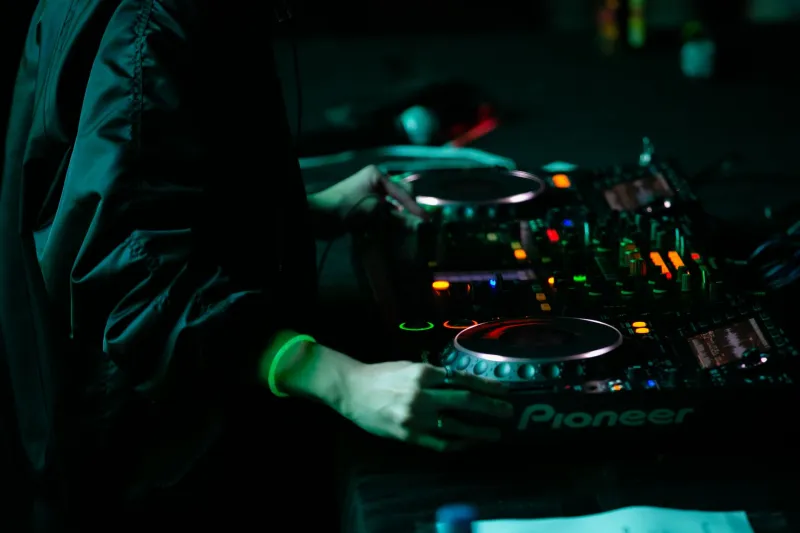
If concert setlists are storytelling, then DJ sets are something closer to live emotional architecture. A good DJ isn't just playing great tracks — they're managing the energy of an entire room in real time, reading the crowd and deciding when to push, when to pull back, and when to drop something so unexpected it resets everyone's expectations entirely.
DJs who've been working clubs and festivals for years will tell you that the hardest skill to develop isn't finding good music — it's knowing where it goes. "Anyone can find a banger," says one DJ who works the Chicago electronic scene. "The craft is knowing what comes before it and what comes after. You're building tension and release over three hours. Every transition is a choice."
That philosophy bleeds directly into how a lot of music fans approach their own playlists. The influence of DJ culture on everyday listening habits is real — streaming platforms have made everyone into a curator of their own experience, and the people who take it seriously think about flow the way a DJ thinks about a set.
The Playlist Curators Who Take This Seriously
Over in the CommonTunes community, playlist builders are some of the most passionate people around. And the ones who really nerd out on it will tell you: sequencing is where most people give up too early.
It's easy to make a playlist of songs you love. It's a lot harder to make those songs feel like they belong together — like they're telling a story or creating a specific emotional journey rather than just existing in the same folder.
The obsessives think about key changes (does the energy feel like it's going somewhere or just spinning in place?), tempo shifts (are you easing the listener in or throwing them into the deep end?), and emotional pacing (where's the peak, and what are you doing on either side of it?). They think about the gap between songs — whether a hard cut or a natural fade serves the moment better.
"I spend more time on the order than I do picking the songs," admits one playlist curator who shares mixes in a music discovery community online. "I'll have fifteen songs I love and spend a week figuring out which one goes first, because that sets the whole tone for everything that follows."
That's not overthinking it. That's understanding that a playlist is an experience, not a list.
What Comes Before Changes Everything
Here's a simple experiment: take a song you know well — something mid-tempo and emotional, a song that usually hits hard for you. Now listen to it after three minutes of chaotic, distorted noise. Then listen to it after a quiet, melancholy acoustic track.
Same song. Completely different feeling.
This is the psychology of contrast and context at work. Music doesn't exist in a vacuum, even when we're listening alone with headphones. Our emotional state when a song starts — shaped by everything that came before it in the listening session — determines how we receive it. A sad song after a sad song can feel numbing. A sad song after something joyful can feel devastating in the best possible way.
This is why the "perfect" album closer is such a cultural touchstone. Think about how "The Night Will Always Win" feels at the end of a Manchester Orchestra record, or how "The End" wraps up Abbey Road. Those songs work so well partly because of everything the listener has already been through by the time they arrive.
Finding Your People Through the Flow
What's interesting about sequencing as a topic is how it brings music fans together. It's one of those conversations that reveals a lot about how someone actually listens — not just what they like, but how they experience music as a journey rather than a collection of individual moments.
When you find someone else who cares about flow, who gets genuinely excited about a perfect transition or frustrated by a playlist that peaks too early and then just... meanders, you've found a specific kind of music person. Someone who's paying attention to the whole picture.
That's the kind of shared language that builds real community. Not just "do you like this artist" but "what would you put before this song to make it land harder?" That question opens up something deeper about how people relate to music — and to each other through it.
So next time you're building a mix, or dissecting a setlist after a show, or arguing in a group chat about why the second track on an album is always the most underrated — you're not overthinking it.
You're just paying attention to the part that most people miss.